

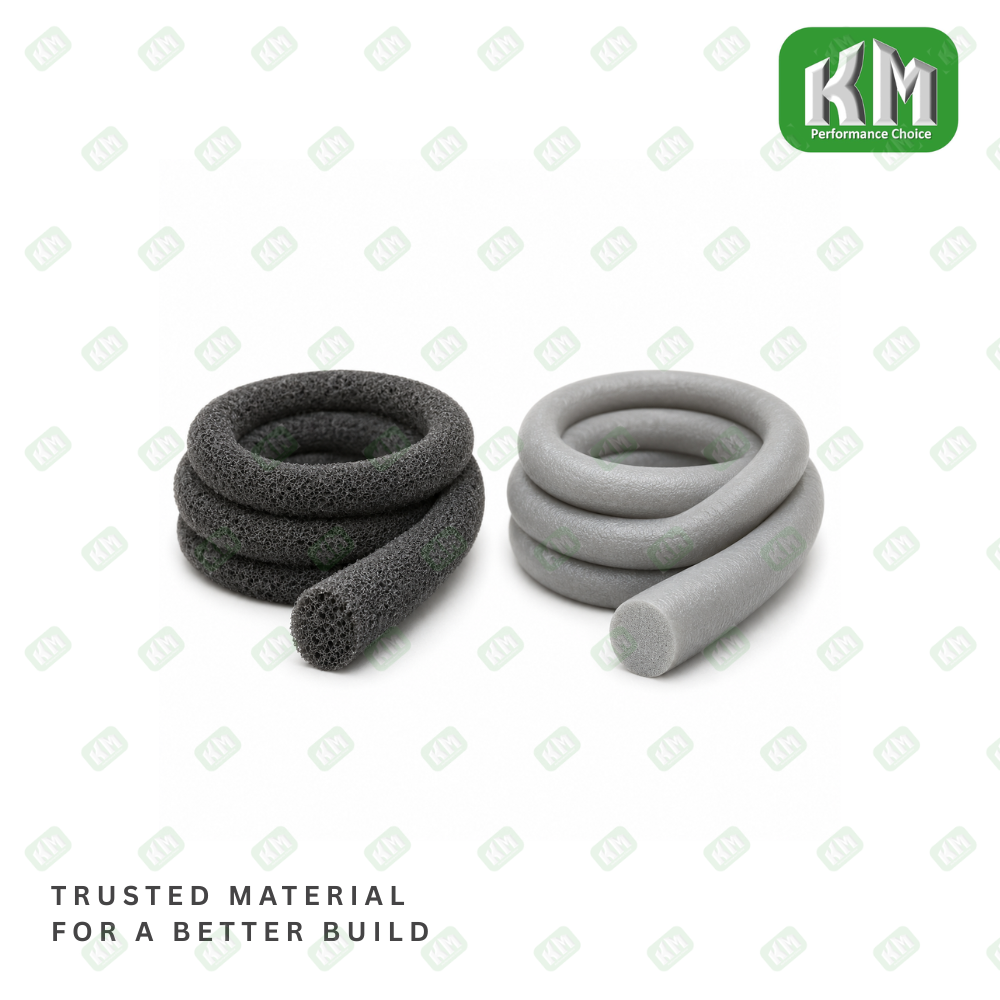
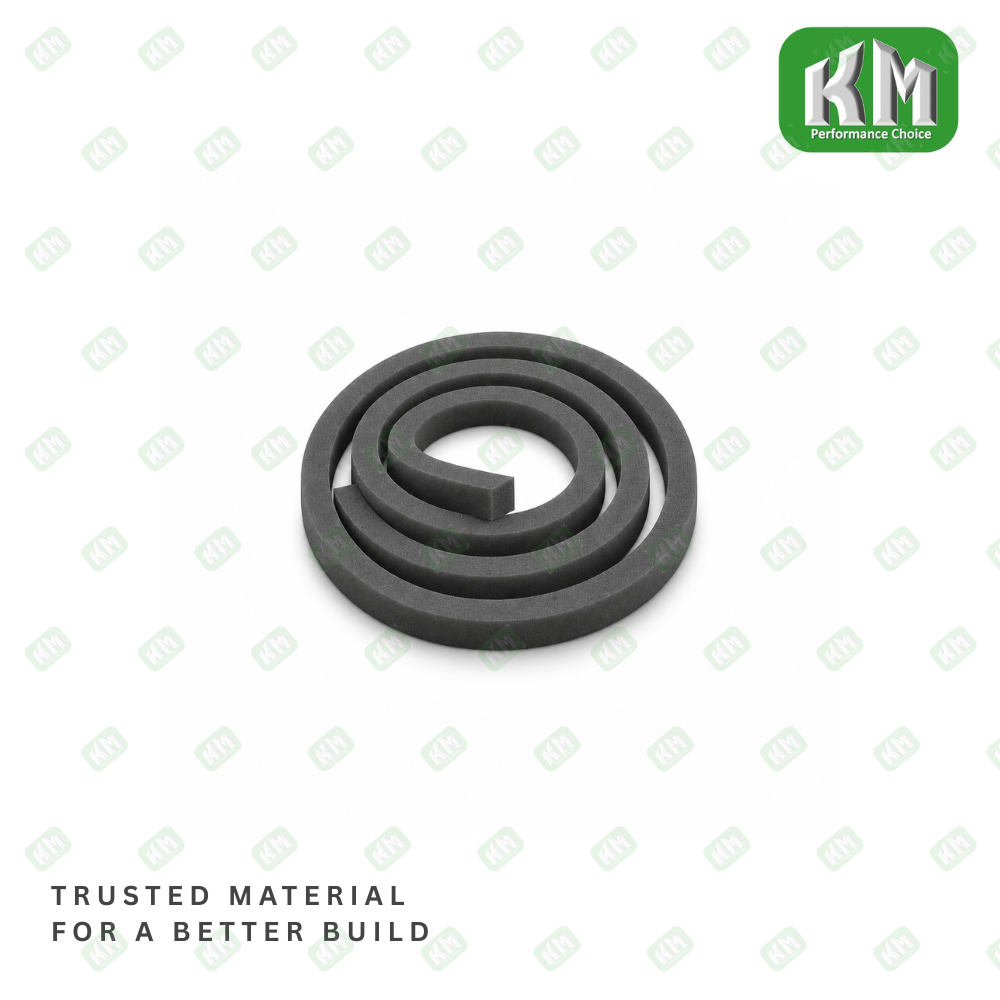
KM Polyurethane Backer Rod
KM Backer Rod Series: closed cell PE and open cell PU joint backing
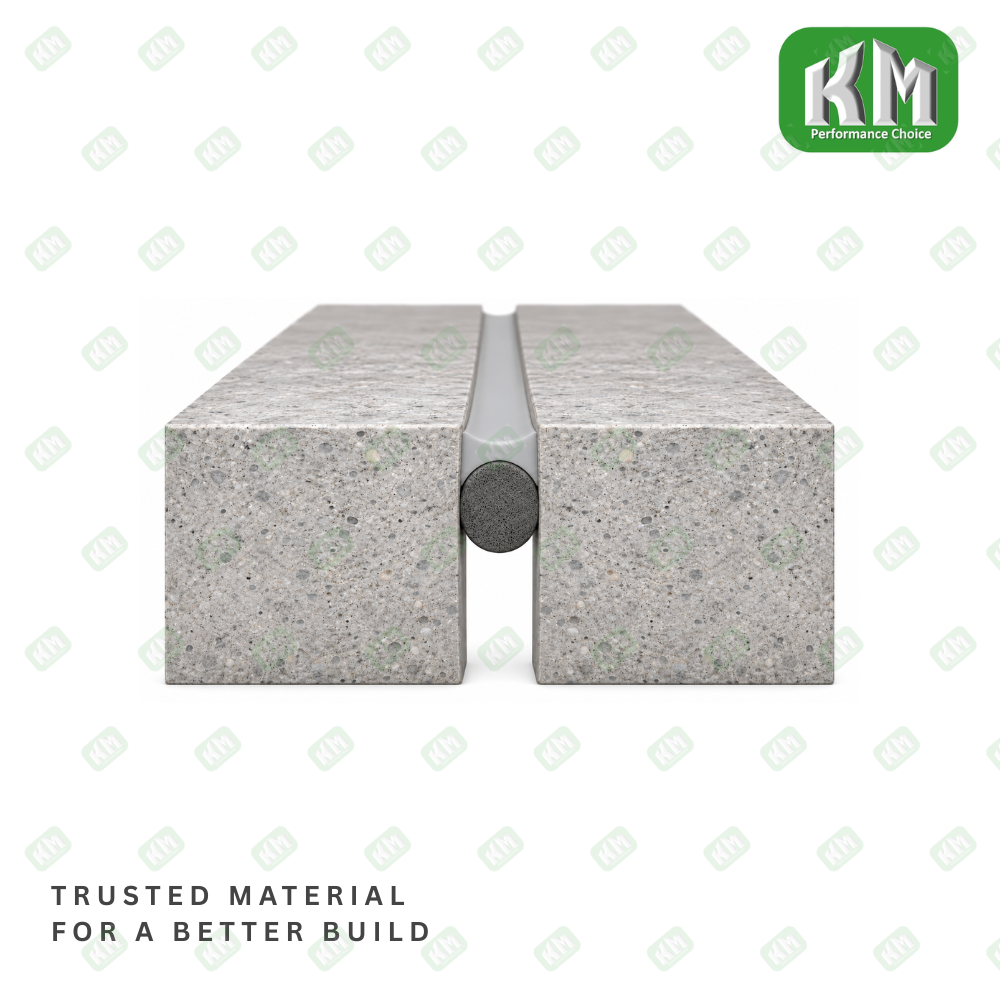
KM Backer Rod Series is compressible foam pressed into a joint before sealant goes in. It sets the sealant depth, keeps the sealant from bonding to the joint bottom, and reduces how much sealant you use. 2960 supplies it in Singapore in two forms: closed cell polyethylene (PE) and open cell polyurethane (PU).
- Two types
- Closed cell PE and open cell PU
- Service temperature
- -40 to +90 °C (PE), -40 to +70 °C (PU)
- Sizing rule
- Rod 25% wider than the joint
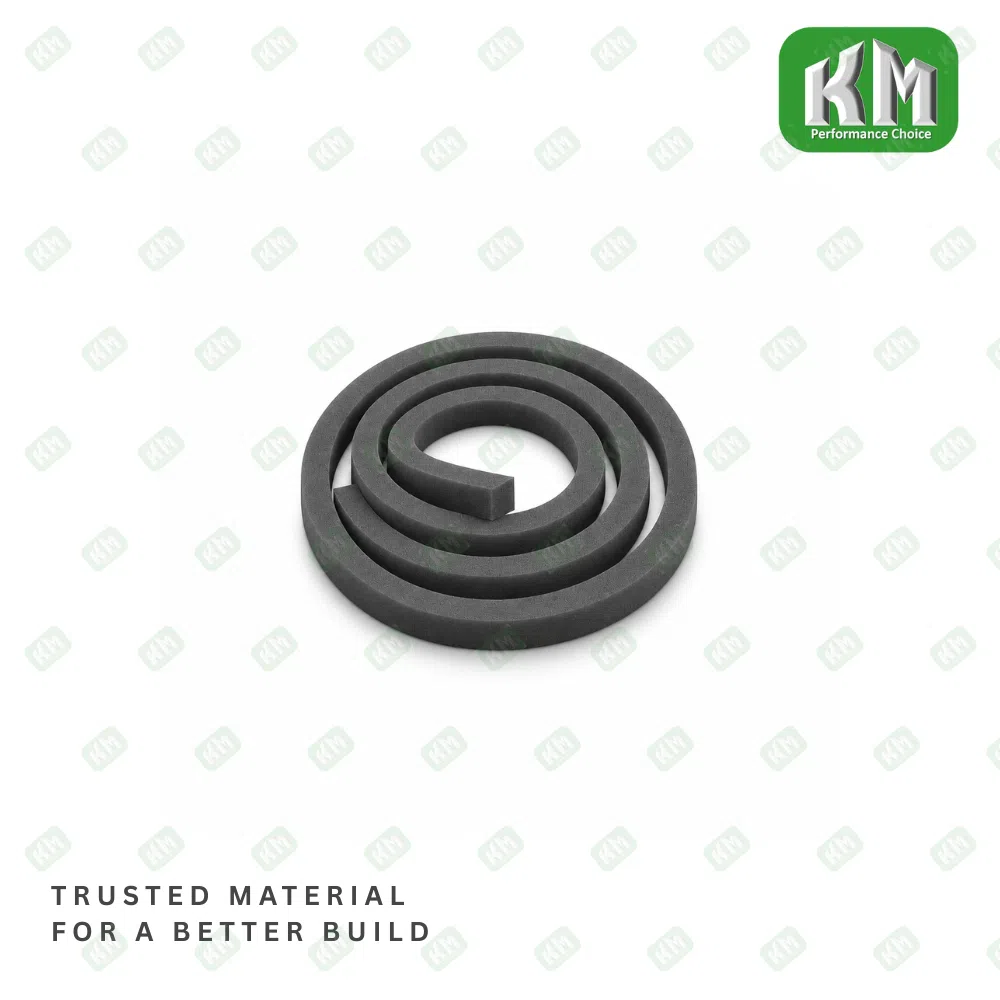
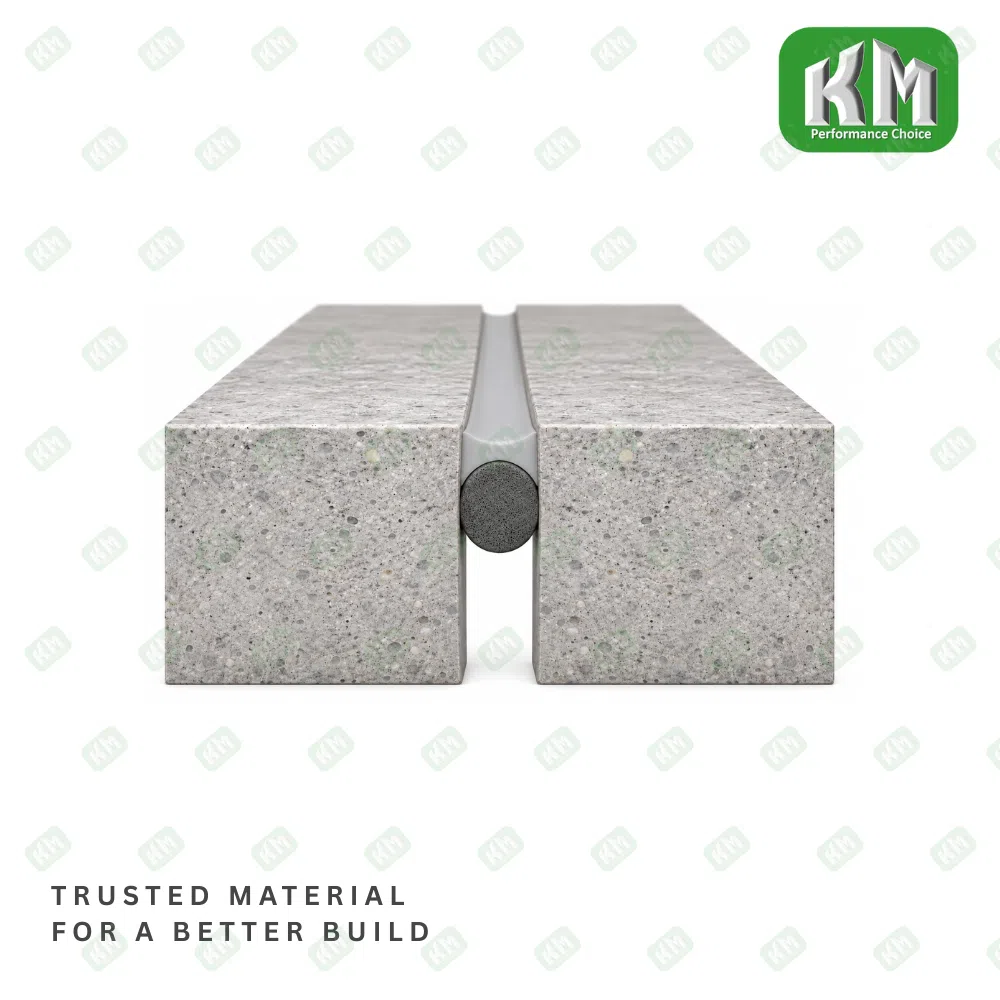
KM Backer Rod Series: closed cell PE or open cell PU?
Both do the same job in the joint. Closed cell suits joints exposed to water, oils or solvents. Open cell is chosen for its compression and recovery and to avoid sealant bubbling.
| Closed cell polyethylene (PE) | Open cell polyurethane (PU) | |
|---|---|---|
| Material | Closed cell, low-density polyethylene foam with a skin-like outer texture. White or grey. | Open cell, medium-density polyurethane foam. |
| Key strength | Non-absorbent and chemically inert. Resists oils, solvents and water, and does not stain or adhere to sealant. | Excellent compression and recovery. Prevents sealant bubbling and gives a bond breaker behind the sealant. |
| Density | ≈ 28 kg/m³ (round rod); 30 kg/m³ (square foam, ISO 845) | 27 kg/m³ (nominal) |
| Temperature | -40 to +90 °C operating (square foam) | -40 to +70 °C service |
| Strength | Tensile > 0.22 MPa longitudinal, > 0.18 MPa transversal; elongation at break > 150% / > 180% (ISO 1798) | Tensile 85 kPa; tear resistance 250 N/m; resilience 40% |
| Compression | > 9 / > 27 / > 78 kPa at 10 / 25 / 50% deflection (ISO 3386); set < 10% after 24 h (ISO 1856) | Compresses readily and recovers; see data sheet |
| Sizes | Wide range of diameters. Ask for your joint width. | Multiple diameters. Ask for your joint width. |
| Best when | Joints may be wet or in contact with oils and solvents. | Compression and recovery matter and bubbling must be avoided. |
Typical values from the KM Closed Cell Polyethylene Square Backer Foam TDS (rev. 08.25) and the KM Open Cell Polyurethane Backer Rod TDS. Round PE rod density as listed for the product. Confirm figures against the current data sheet for your project.
Where KM Backer Rod Series goes
- Glazing installations
- Windows and doors
- Curtain wall joints
- Expansion joints
- Precast joints and copings
- Pavement joints and repairs
- Log construction
How to install KM Backer Rod
Prepare the joint
The joint or opening must be clean, dry and free of obstructions.
Choose the diameter
Select a rod 25% wider than the joint width. Cut to length or feed it straight from the spool.
Seat the rod
Press it in evenly with a blunt tool or roller, to the depth your sealant manufacturer, specifier or architect recommends. Sealant depth is generally half the joint width.
Apply the sealant
Gun and tool the sealant over the rod. The rod is the backstop and the bond breaker.
Do not puncture, stretch or overly compress the rod.
Works with your sealant
KM Backer Rod is compatible with the sealants most commonly used in building joints.
- Silicone
- Polyurethane
- Polysulfide
- Acrylic
- Butyl
- Other cold-applied sealants
Data sheets
Technical and safety data sheets for each type. For the sealant backing specification, see ASTM C1330.
Backer rod questions, answered
What is backer rod used for?
Backer rod is a compressible foam cord pressed into a joint before sealant is applied. It controls the sealant depth, acts as a backstop so the sealant can be tooled properly, and works as a bond breaker so the sealant sticks to the two joint faces only. It also reduces the amount of sealant needed.
What size backer rod do I need for my joint?
Choose a rod about 25% wider than the joint width so compression holds it snugly in place. For a 12 mm joint that is roughly 15 mm. Seat it so the sealant depth is generally half the joint width. Very small and very large joints can differ, so confirm the depth with your sealant manufacturer or specifier.
What is the difference between closed cell and open cell backer rod?
Closed cell polyethylene (PE) rod is non-absorbent and chemically inert, resisting oils, solvents and water. Open cell polyurethane (PU) rod has excellent compression and recovery and helps prevent sealant bubbling. 2960 supplies both, so send your joint details and we will advise which suits.
Which sealants can I use with KM Backer Rod?
KM Backer Rod is compatible with silicone, polyurethane, polysulfide, acrylic, butyl and most other cold-applied sealants.
What temperatures can KM Backer Rod handle?
Per the technical data sheets, the closed cell PE square foam operates from -40 °C to +90 °C, and the open cell PU rod has a service temperature of -40 °C to +70 °C. Check the current data sheet for the profile you are ordering.
Where is backer rod installed?
Typical uses are glazing installations, windows and doors, curtain wall joints, expansion joints, precast joints and copings, pavement joints and repairs, and log construction.
How do I order KM Backer Rod in Singapore?
Send 2960 the joint width, run length, sealant type and delivery location through the enquiry form, or call +65 6267 1300 or email contact@t2960.com.sg. 2960 (Two Nine Six O Trading Pte Ltd) is at 21 Tuas West Avenue, Singapore 638435.
Related KM products
 KM Silicone Seal
 KM EVA Spacer Foam Tape
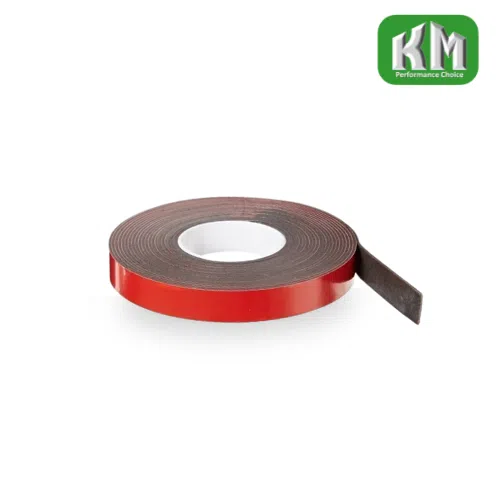 KM Acrylic Foam Tape 3000 Series
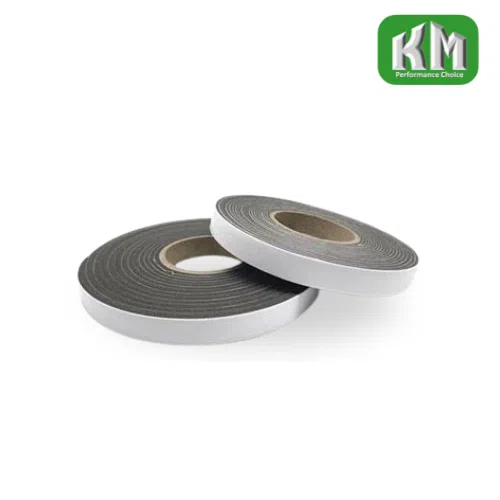 KM BITU-STRIP Self-Expanding Foam
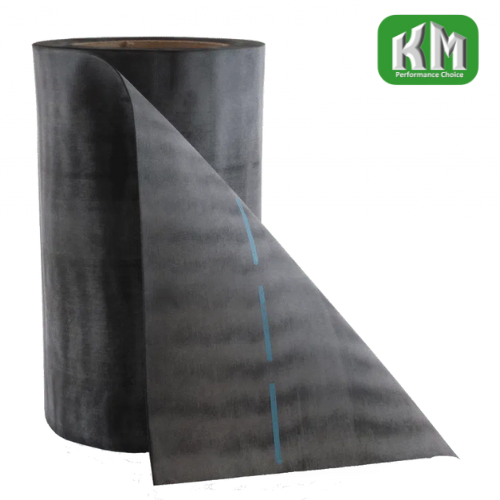 KM EPDM Rubber Waterproofing Membrane
Send us the joint width and run length
Tell us the joint width, length, sealant type and where it is going. 2960 will come back with the right rod and a quote.


